Seismitoad can be caught with the following Combat Power after being defeated in Raids:
- From 1393 CP to 1465 CP, with no weather boost
- From 1741 CP to 1832 CP with Rain and Sunny weather boost


Find the best counters for defeating Seismitoad in Pokémon GO. This page shows the top 50 Seismitoad raid counters, including moves, DPS, TDO, faints, and time to win.
These counters are calculated for Seismitoad, using the boss’s stats and typing alongside each attacker’s stats and moves. The raid level and battle settings are shown so you can check the assumptions and compare alternatives. Scores estimate performance under those conditions; your Pokémon’s IVs, dodging and the boss’s attacks can affect the result of a real raid.
Seismitoad can be caught with the following Combat Power after being defeated in Raids:

When fighting Seismitoad, keep the following in mind: Water and Ground-type Pokémon are weak to Grass-type moves. They take reduced damage from Electric, Fire, Poison, Rock, and Steel-type moves.
| +156.0% |
|
| -37.5% |
|
| Move-type | Usage (%) | Weather |
|---|---|---|
| Grass | 356.0% |
|
| Normal | 12.0% |
|
| Ground | 12.0% |
|
| Psychic | 12.0% |
|
| Electric | 4.0% |
|
| Bug | 4.0% |
|
Our guide provides detailed information on recommended Pokémon and moves that are most effective against Seismitoad in Raid Battles. Whether you're looking for the best counters to take Seismitoad down quickly with high DPS, or the tankiest counters that can withstand its attacks, our guide has something for every trainer.
This guide displays a list of best Seismitoad counters in Pokémon GO with their Fast Attacks, Charged Attacks, DPS (damage per second), TDO (total damage output), faints, TTW (time to win), and score. The list is sorted by the score, which is calculated based on the DPS and TDO. Each Pokémon's move type is indicated by an icon beside the move name.
When calculating the best counters for any Pokémon, our simulator takes into account various factors, such as the defender's typing and average DPS against each attacker, the weather's influence, energy left over from using Charged Attacks, Shadow Pokémon attack and defense stat changes, and more. During the initial phase of simulations, we calculate DPS and TDO for each attacker that is currently available in the game, and then we continue to rank them.
We use a ranking method developed by a Reddit user named /u/Elastic_Space, which is described in detail in this Reddit post. It is a fairly complicated, but very well thought-out mathematical model for predicting simulation results without actually running the simulations. It also correlates with field data almost too well not to be used. Reddit
Time to Win (TTW) and faint counts are estimates based on your selected settings, including friendship. Other factors, such as damage boosts from another Trainer’s Mega-Evolved Pokémon and connection delays, can change real battle results.
 Mega Sceptile
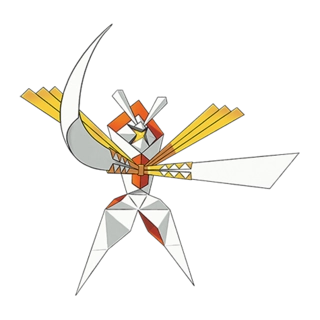 Kartana
 Shadow Sceptile
 Shadow Chesnaught
 Shaymin (Sky Forme)
 Mega Venusaur
 3-Star Raid (3600 HP)↓
 Extreme↓
You need at least 1 Trainer to defeat Seismitoad (3-Star Raid).
 Seismitoad takes increased damage from:
 Seismitoad takes reduced damage from:




 Vine Whip


 Lock-On
 Mud Shot


 Psycho Cut


 Thunder Shock


